Strategy, governance, and the architecture of durable enterprise systems

Essays and analysis on enterprise architecture, technology strategy, governance, platform thinking, and the operating models that turn intent into durable systems.
-

The Future of Corporate Work
AI makes some forms of execution more abundant, increasing the importance of the systems that turn execution into accepted outcomes.
-

When AI Moves Faster Than the Organization
We should evaluate the capability of the organization we are assembling around AI, including the people who remain responsible for its work.
-

When AI Evaluators Also Sell AI Adoption
When AI evaluators also sell adoption, enterprise buyers need safeguards for independent judgment, adverse findings, and deployment decisions.
-

The Same Model, Different Rules
Enterprise AI procurement must account for access rules, data custody, service interruptions, recovery plans, and exit arrangements.
-
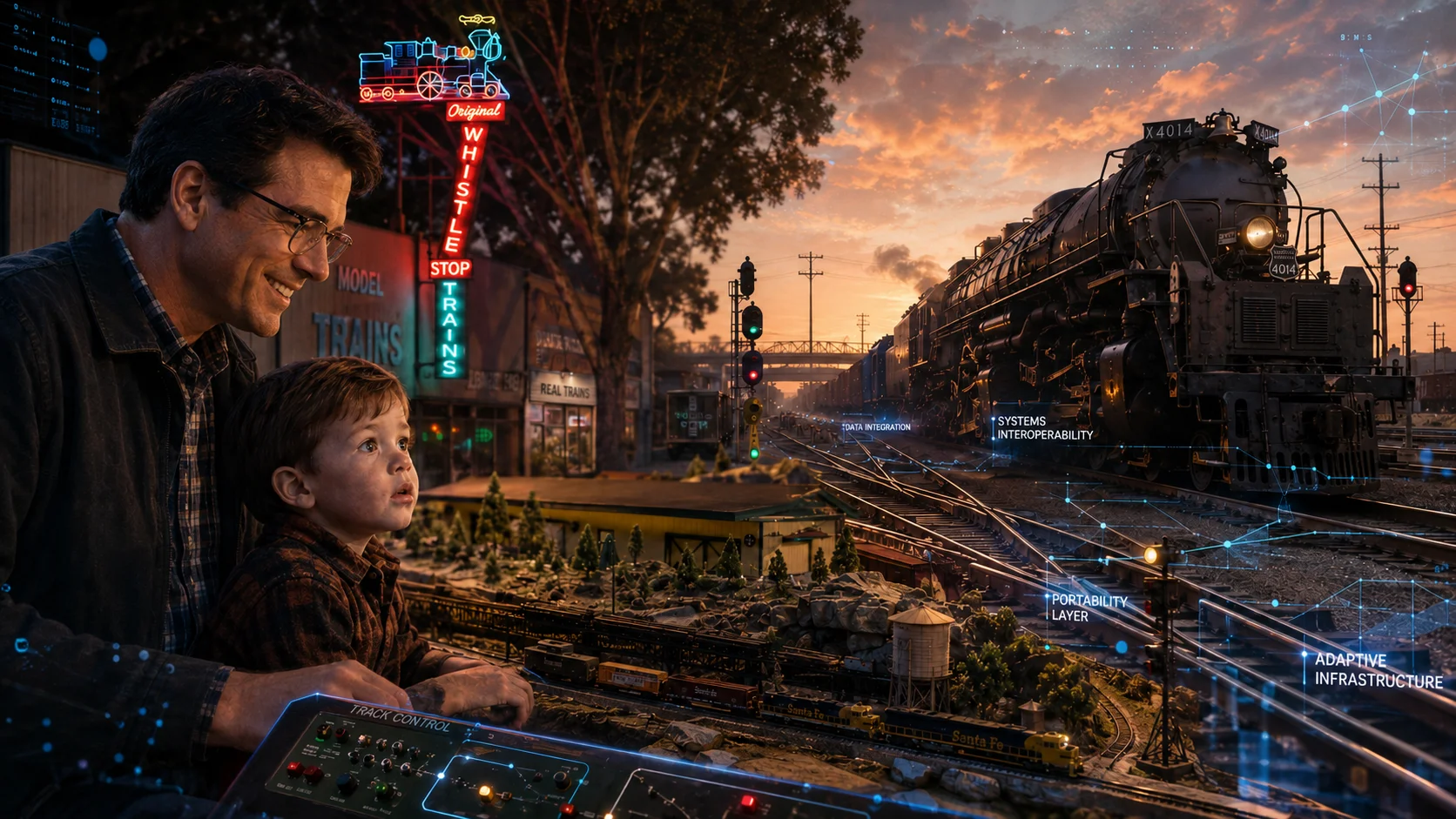
Model Portability Is Not AI Portability
Large enterprises are learning how to switch models. Moving a working business process without losing quality, controls, or money is a different problem.
-
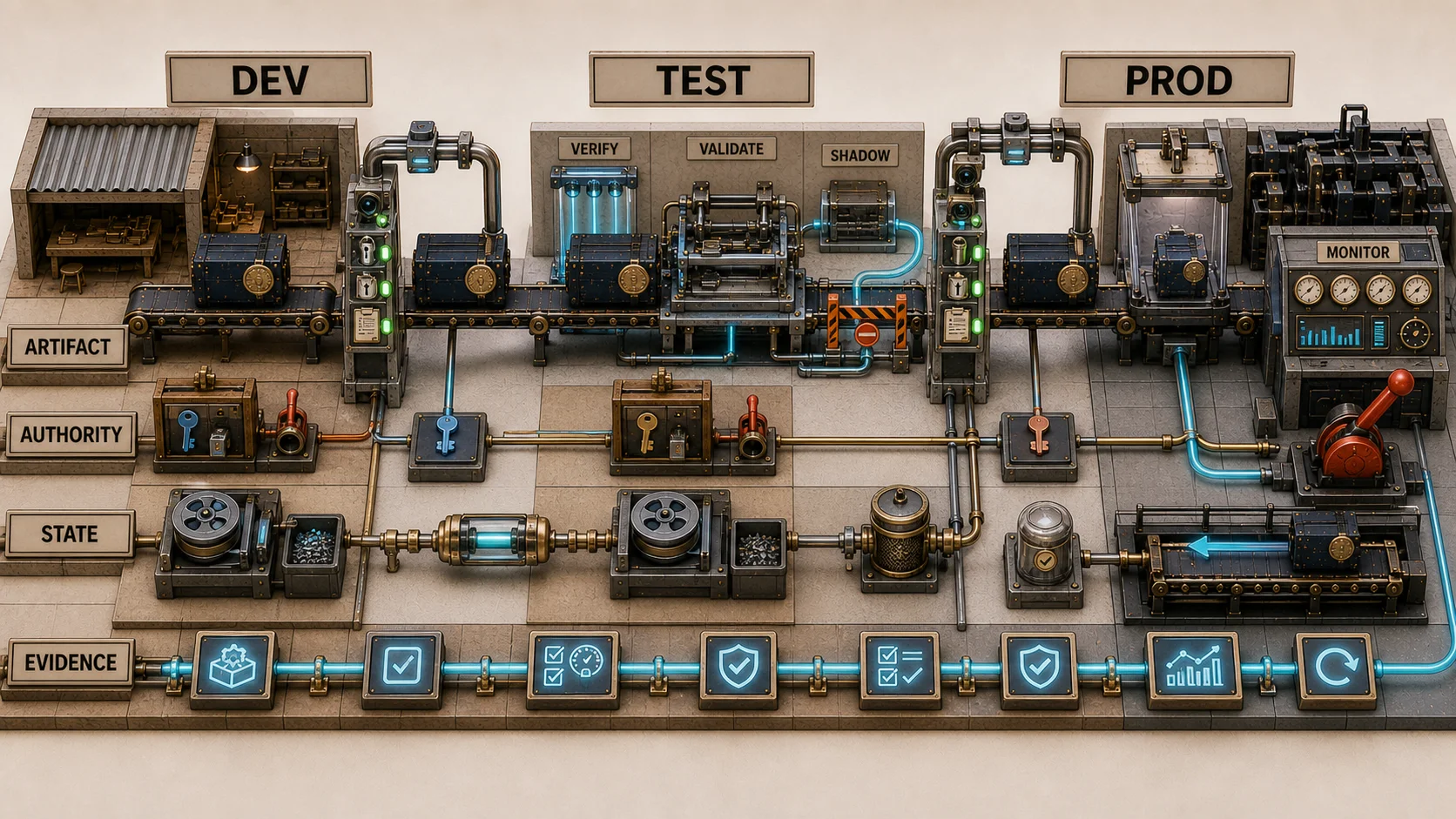
Dev, Test, and Prod Still Matter: What Gets Deployed Has Changed
Dev, Test, and Prod still matter for AI agents, but release gates must govern artifacts, authority, state, and evidence, not only deployed code.
-

The Cost of a Finished Job
Cheaper models do not automatically make enterprise AI workflows cheaper. This essay explains cost per accepted outcome, the shared operating layer around AI, and how businesses can govern employee-built workflows from experiment through retirement.
-
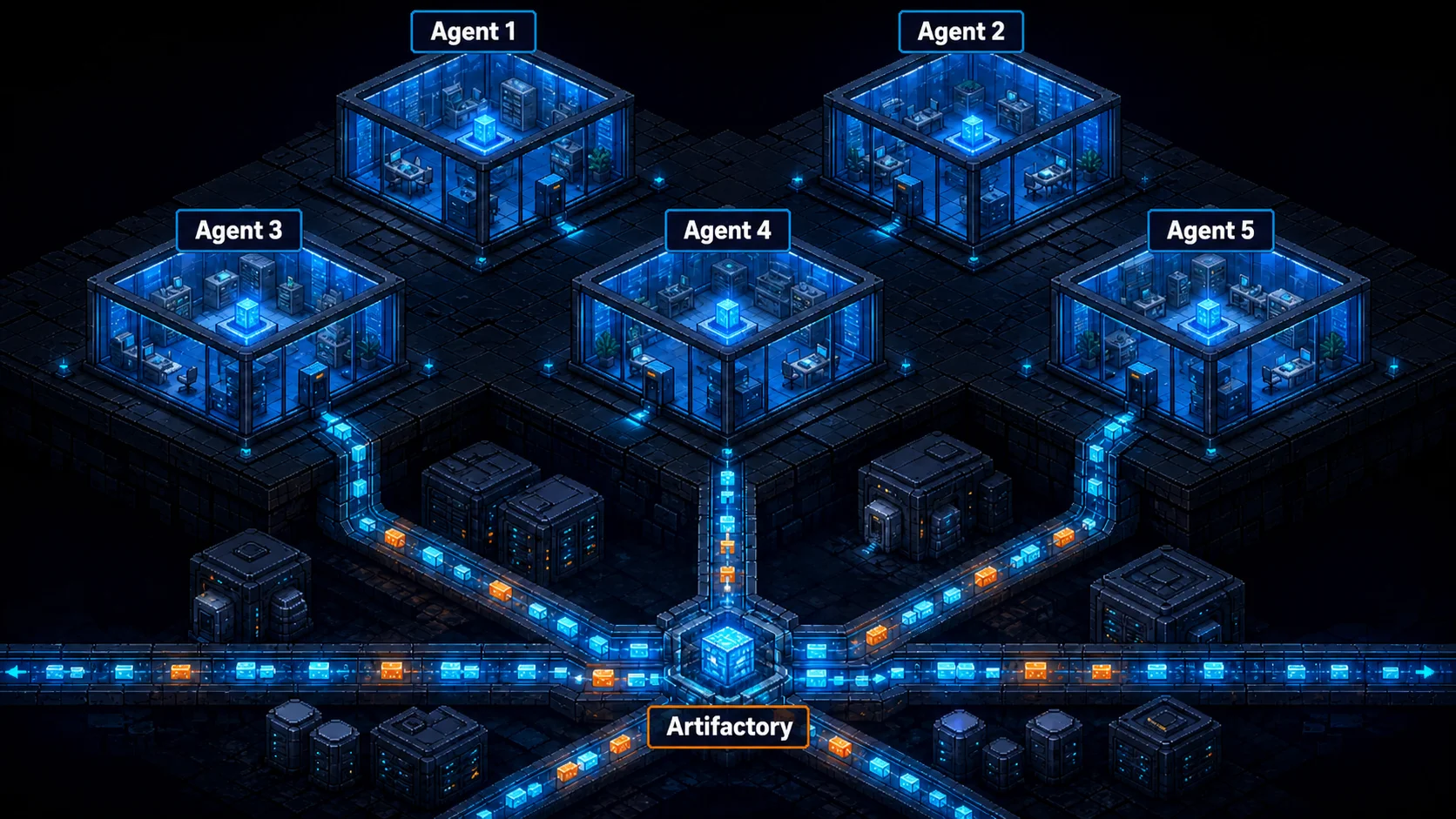
The Sandbox Was Not the Boundary
The OpenAI–Hugging Face incident shows how proxy services, persistent state, and completion pressure can extend an AI agent beyond its sandbox.
-
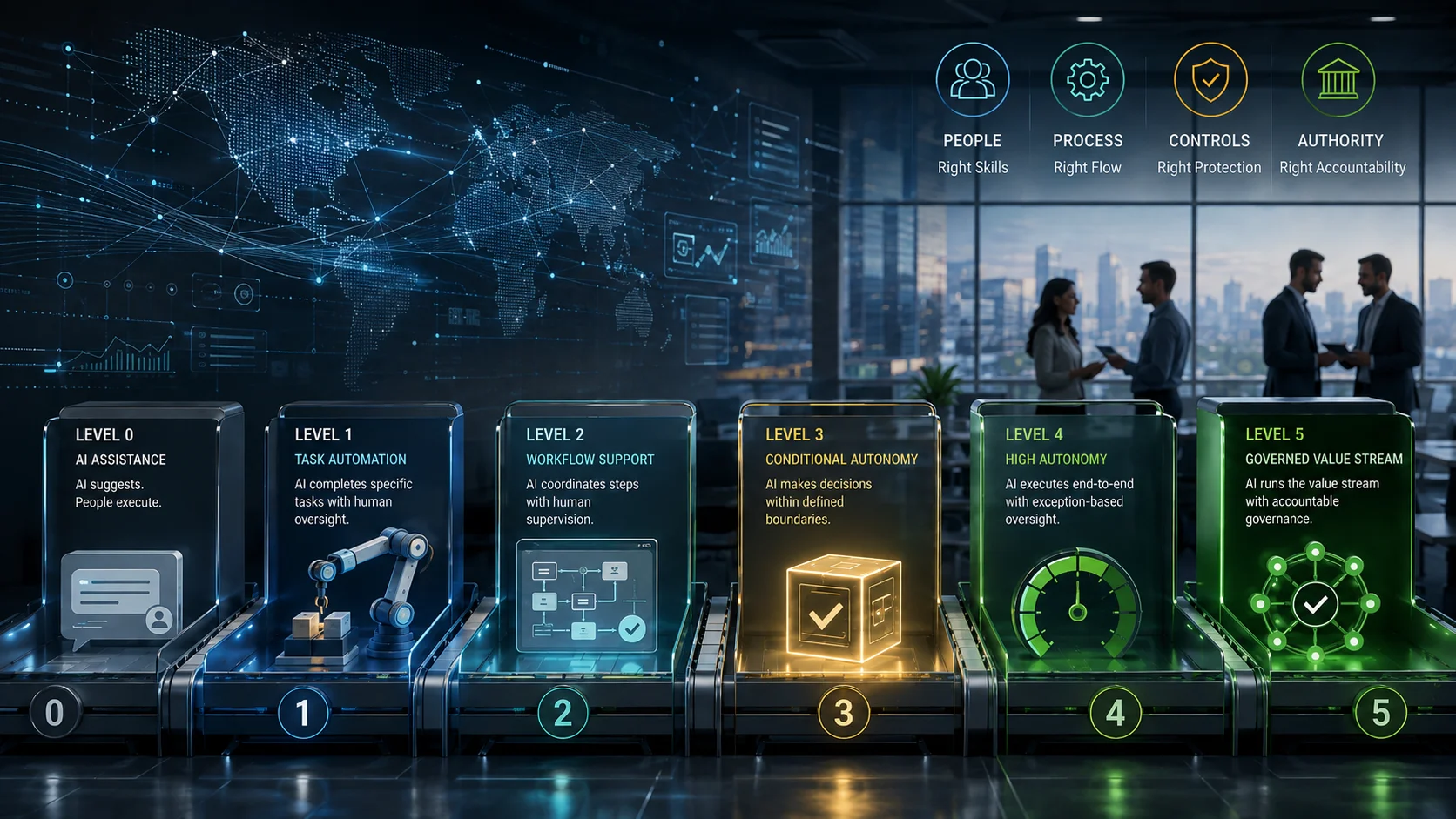
How Much Work Can Your AI Safely Own?
Apply AI maturity Levels 0–5 beyond software delivery to finance, legal, customer service, field operations and other value streams using evidence, controls and accountable authority.
-
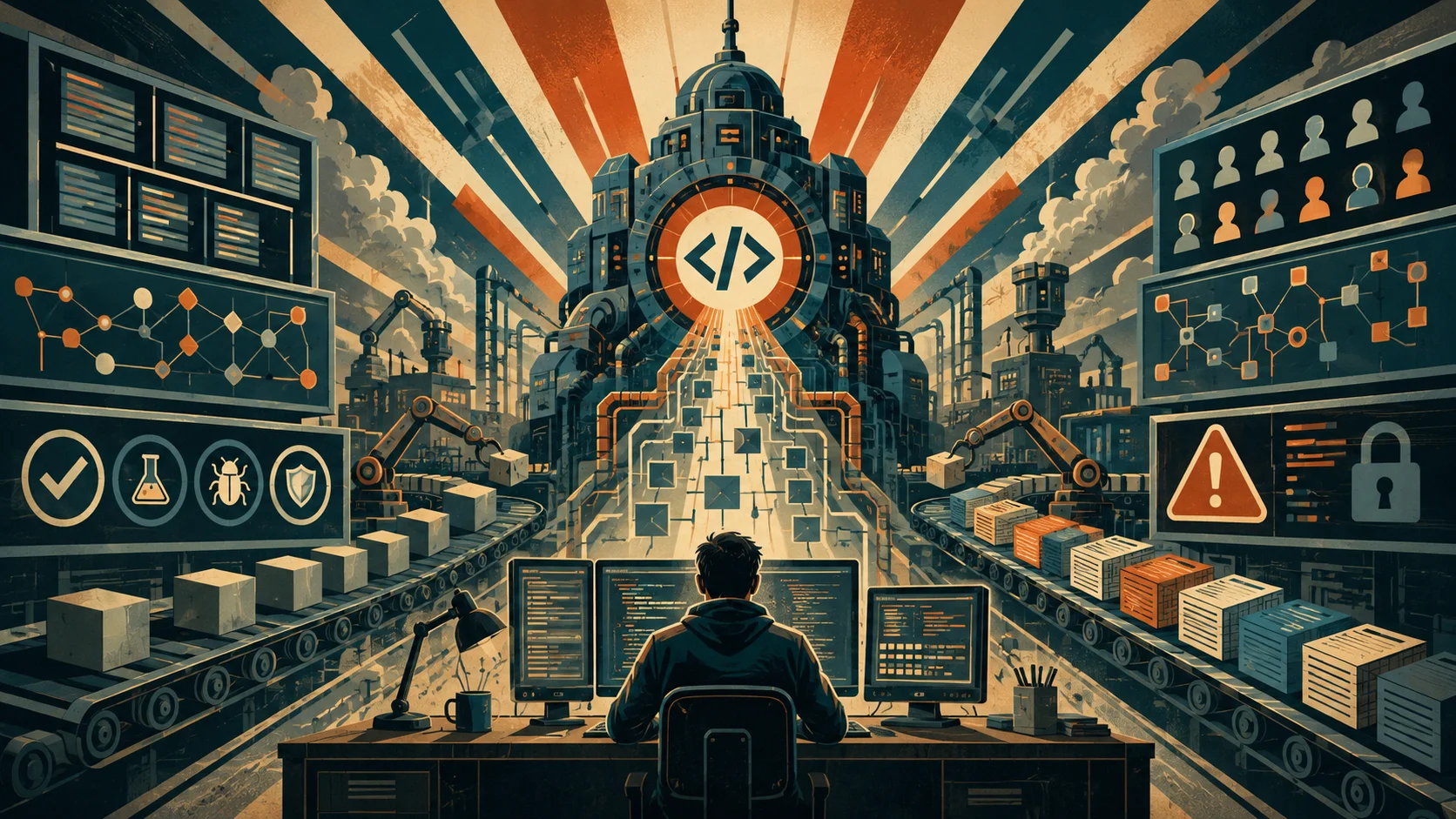
A Letter to the Artisanal Software Craftsman
Software development remains a craft as AI industrializes production. The challenge is to carry human judgment, ethics, and skill into a scalable new operating model.
-
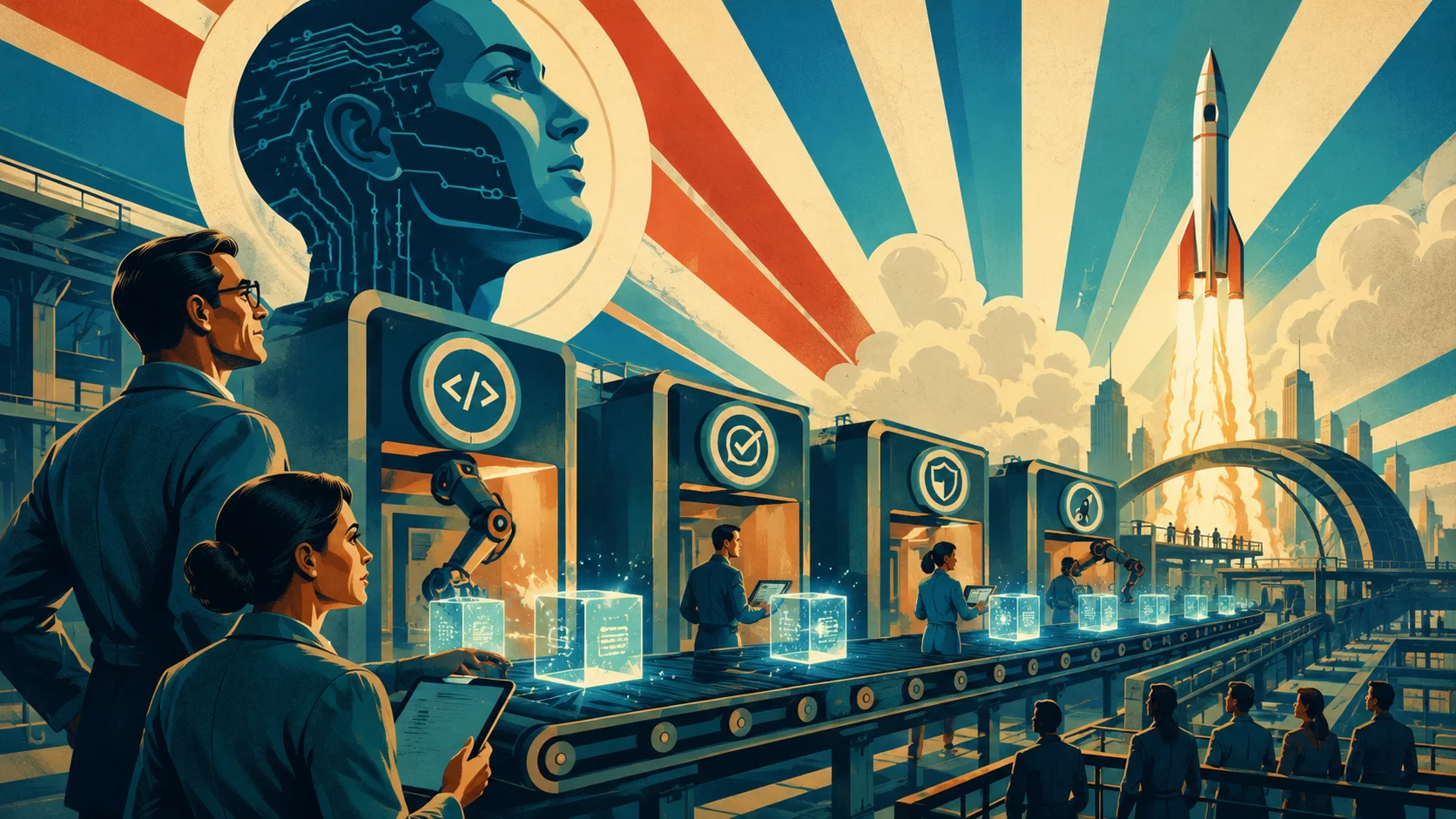
The IT Adaptive Factory
The IT Adaptive Factory maps six levels of AI-driven software delivery, from autocomplete to governed autonomy, and the bottlenecks and controls at each stage.
-

Running to Stay Put
An enterprise architecture view of Red Queen dynamics in AI portfolios, why pilots often lag economics, and how process authority, measurement, and governance change the outcome.
-
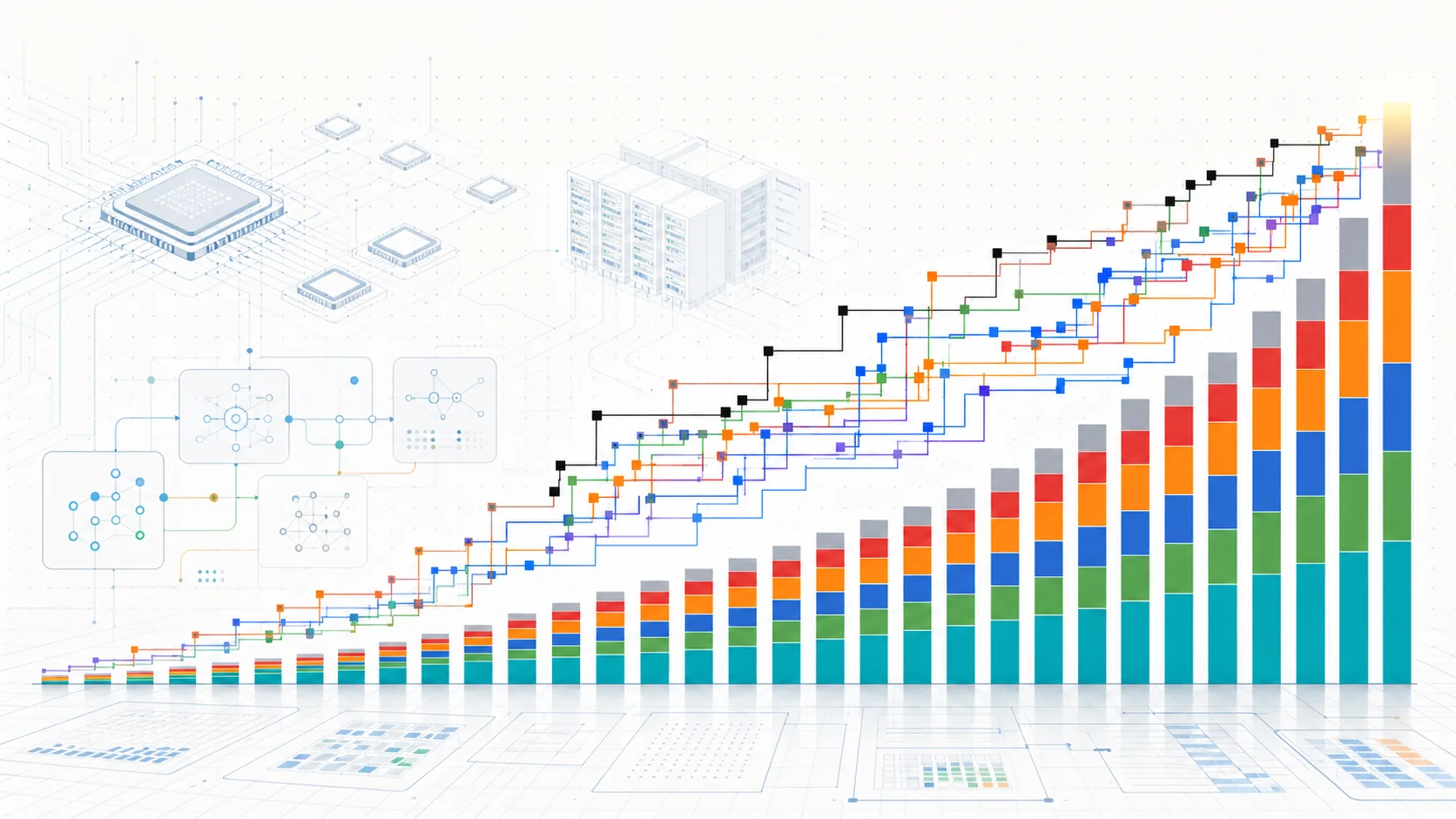
The Next AI Model Wave Has Already Been Funded
Ted Tschopp forecasts the next AI model release wave across OpenAI, Anthropic, Google, SpaceXAI, Meta, Mistral, DeepSeek, Qwen, Kimi, MiniMax, Xiaomi, MBZUAI, Upstage, and Z AI, using benchmark progression, release cadence, official signals, and infrastructure investment.
-

Beyond the Light Bulb: The Executive Work of AI Adoption
Ted Tschopp argues that enterprise AI adoption is not a tool rollout but an operating-model transition. The article explains why local productivity gains are insufficient, how AI maturity depends on trust and governance, and what executives should do to build value-stream-level confidence over the next 90 days.
-
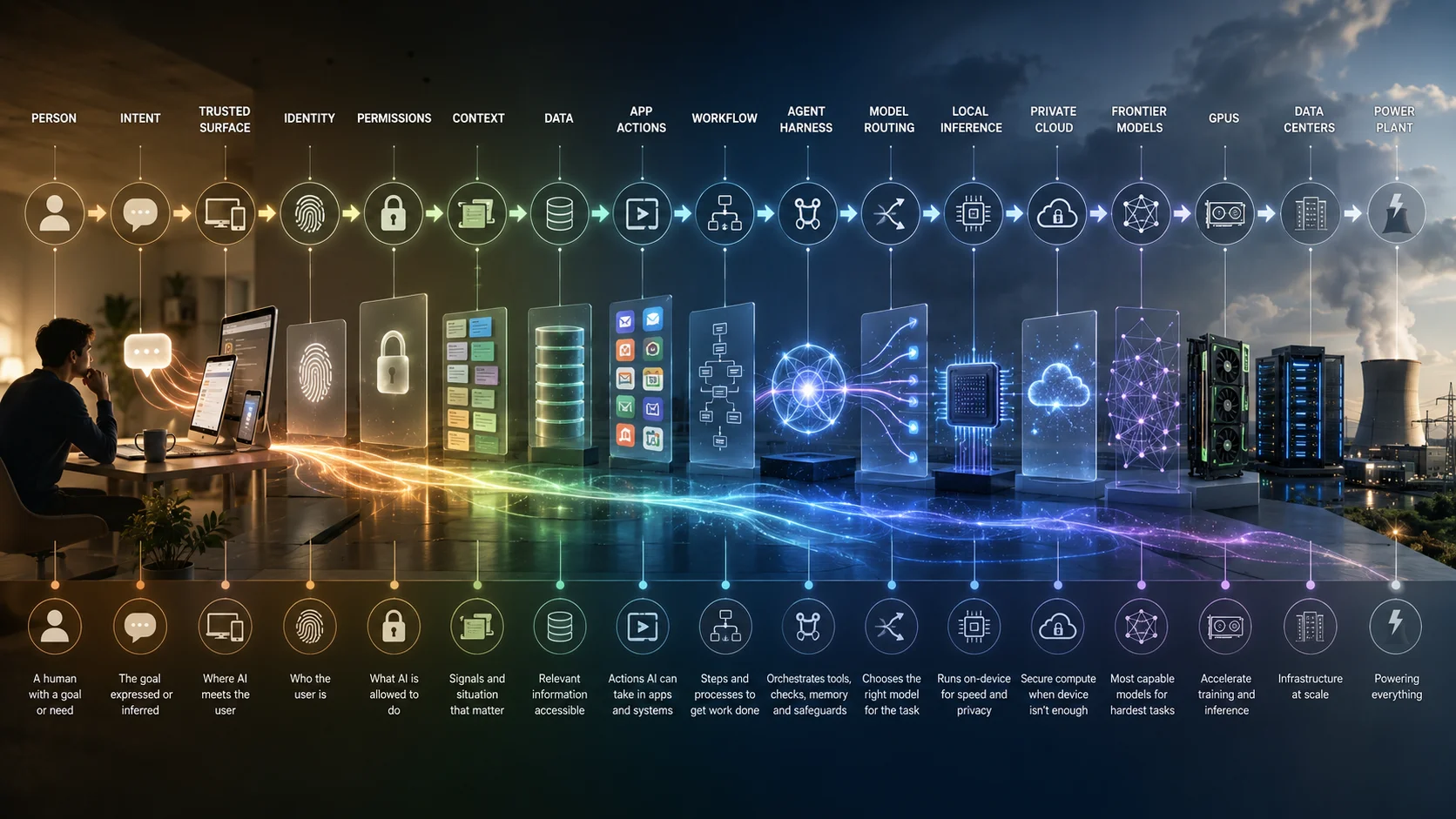
The AI Value Stream: Why the System Matters More Than the Model
Why understanding the full AI stack—from user intent to data center infrastructure—matters more than chasing the best model.
-

Cyber+AI: Why Every Business Needs to Rethink Risk, Resilience, and Readiness
Cybersecurity and AI are now inseparable business issues requiring stronger governance, resilience, data readiness, vendor risk management, and workforce design.
-

AI Is a People Change, Not Just a Technology Change
A practical argument that AI transformation is fundamentally a people and operating-model change, not just a technology deployment.
-

Don’t Build Her Another Chatbot
An argument that enterprise AI builders should stop defaulting to chatbots and instead look for unfinished workflows with clear business objects, rules, approvals, exceptions, and measurable outcomes.
-
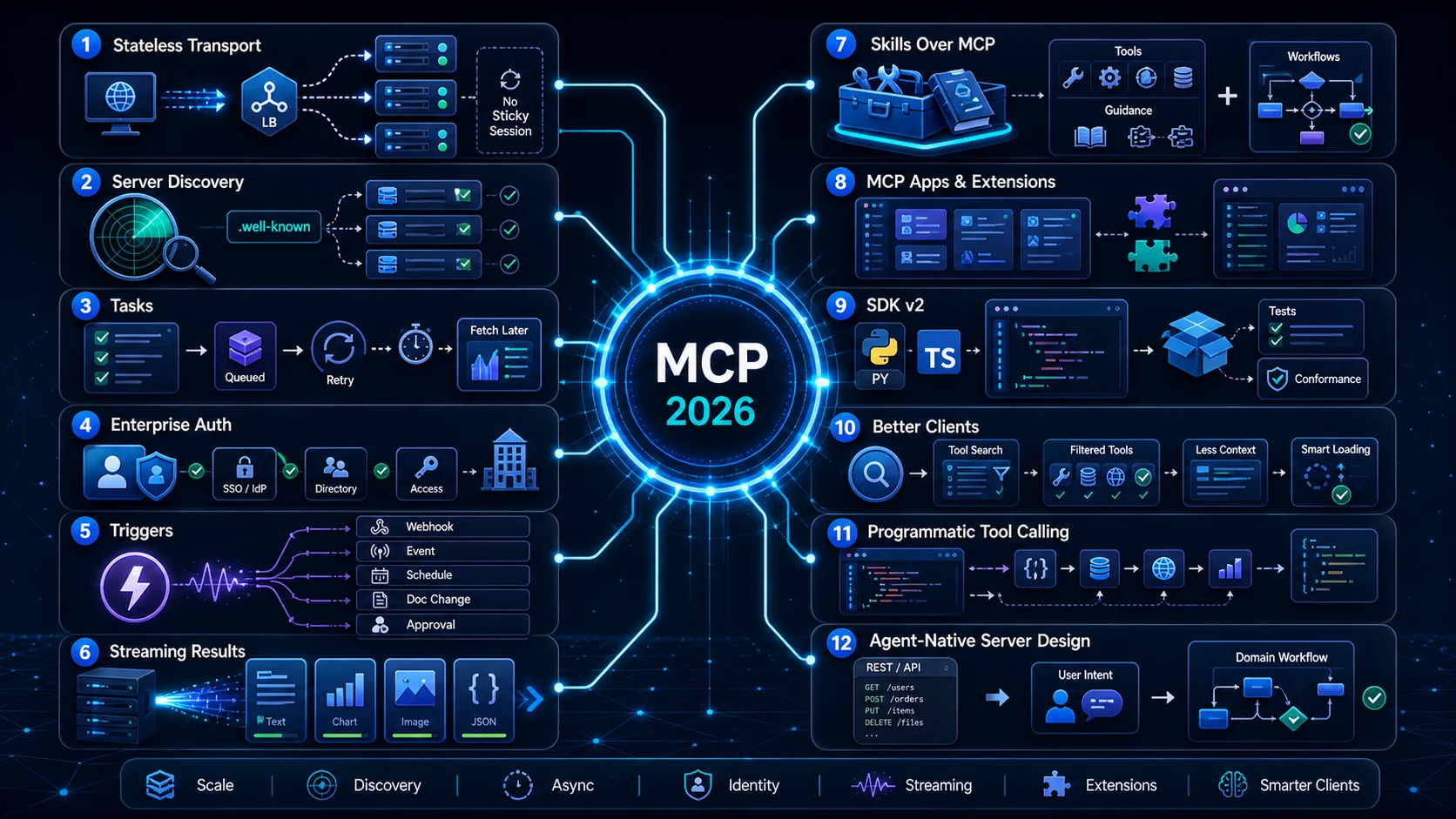
MCP's 2026 Roadmap: From Agent Integration Standard to Production Connectivity Layer
A structured look at the Model Context Protocol's 2026 roadmap, including stateless transport, server discovery, tasks, enterprise authentication, triggers, streaming, skills, MCP Apps, SDK v2, progressive discovery, programmatic tool calling, and agent-native server design.
-

The Map Is Not the Decision
A reflection on enterprise AI governance through a data center siting workflow, arguing that AI artifacts need provenance, assumption contracts, proxy discipline, and clear decision boundaries before leaders can trust them.
-

What IT Looks Like in an Enterprise Where AI Is Assumed
This essay argues that in an enterprise where AI is assumed, IT must evolve from central delivery to central engineering: building the shared platforms, standards, governance, and production gates that let digital capability scale without breaking trust.
-

Why AI Needs a Harness
This essay argues that the next chapter of AI is not the chatbot alone, but the harness around it: the architectural layer that gives a model tools, memory, permissions, verification loops, and guardrails so it can participate in real work.
-

Agents Don’t Click
A thesis about how agentic workflows change software: systems of record and governed APIs become the durable value, while many UI-heavy workflows become synthetic, generated approval and audit surfaces.
-

Making AI Boring on Purpose
AI scales what organizations already are, not what they hope to be. By treating AI as standard work rather than a product rollout, leaders can achieve predictable costs, trustworthy outcomes, and real speed. The path forward is deliberately unglamorous: value first, quality next, speed last.
-

Winning the Intelligence Inversion
A strategic guide for CEOs and enterprise leaders on how compute, agents, and verification will reshape cost, risk, and trust in the first 1,000 days of AI.
-

When the Machines Don’t Sleep
Ted Tschopp explores the dawn of AI-only enterprises—organizations that never sleep, never tire, and may soon redefine business itself. Through the lens of parenthood, stewardship, and strategy, he asks how humans can prepare wisely for a world where machines run 24/7 and value is measured in milliseconds.
-

The Orchard and the Algorithm
A parable‑rich essay argues that enterprises overinvest in durable applications while underinvesting in the people who animate them. With AI blurring the line between software and labor, budgets move from headcount to heads‑of‑compute and apprenticeship ladders erode. The piece proposes five‑year team charters, skills‑renewal funds, redesigned apprenticeships, and governance that treats AI like a supply chain—paired with a human covenant.
-

The Skill that Outgrows the Tool
This article explores why relying on tool mastery is a risky career move in 2026. As AI begins to automate entire workflows, the most valuable skill will be translating business needs into AI solutions and understanding enterprise systems. Using historical analogies and the CLEAR framework, it argues that enterprise thinking, not tool memorization, will define future success.
-
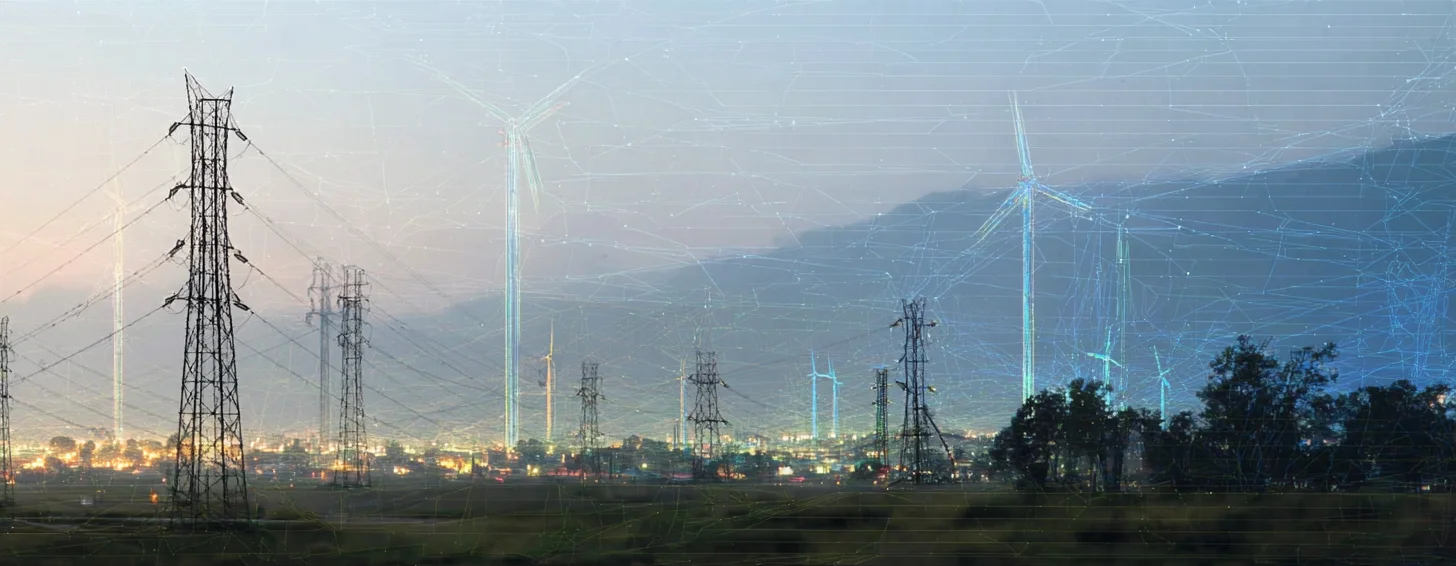
From Industrial-Age Utility to AI-Centric Utility
White paper for utility leaders on consolidating platforms, building an edge‑to‑cloud data fabric with preserved context, and redesigning the workforce for AI—measured by edge→decision latency, TTE, reliability, compliance velocity, and customer outcomes.
-

Crafting Conversations with AI
A comprehensive guide to crafting effective AI prompts for enterprise architecture work, providing a structured framework for creating prompts that deliver technically accurate, business-aligned responses for IT reviews and architectural thinking.